Independent illustrator asset protection forms the backbone of a sustainable commercial art career in the United Kingdom today. Navigating the delicate balance between inspiring prospective clients and securing one’s intellectual property requires a careful blend of administrative foresight and clear contractual boundaries. Many creators dive straight into sketching without establishing formal agreements, leaving themselves vulnerable when project scopes shift or payments stall. Understanding the mechanisms of copyright law, licence parameters, and professional negotiation helps safeguard your hard work against common pitfalls. This overview examines practical steps every freelance drawer can take to manage rights effectively, streamline daily workflows, and protect their livelihood without resorting to bespoke legal counsel.
What Is Independent Illustrator Asset Protection?
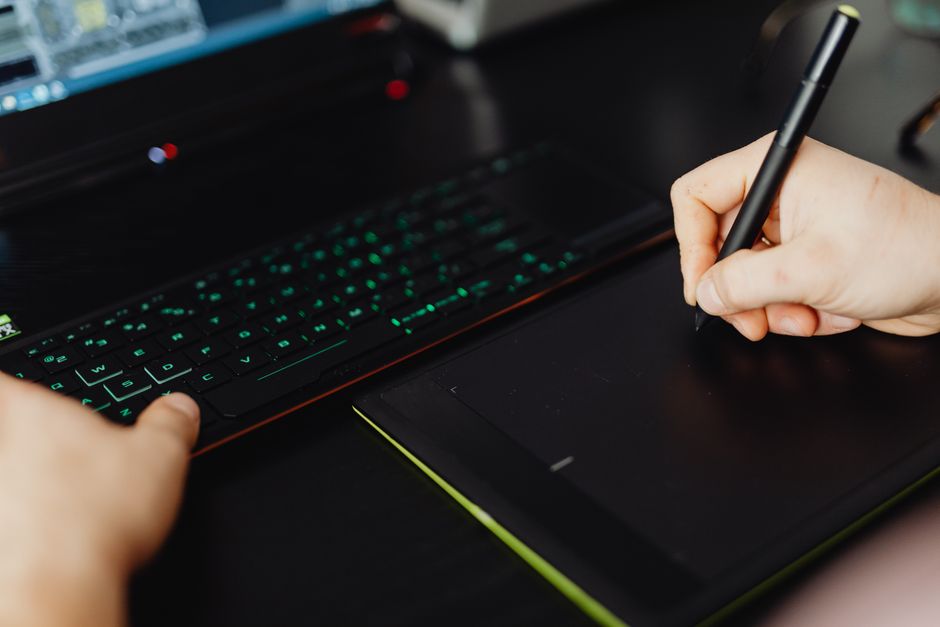
Independent illustrator asset protection is the systematic practice of securing copyright ownership, defining clear usage scopes, and establishing reliable administrative workflows to safeguard original visual artwork. By proactively separating the ownership of the physical or digital artwork from the rights granted to a client, creators maintain control over their artistic output. This concept aligns closely with general UK copyright for independent designers, ensuring that visual works are treated as valuable intellectual property rather than casual commodities. Implementing these protective measures ensures long-term professional viability.
Establishing Ownership and Managing Licences
The foundation of any robust asset protection strategy lies in distinguishing between holding the copyright and granting a licence. Under standard UK legislative frameworks, the creator of an artistic work generally owns the initial copyright unless an employer commissioned it during regular employment or signed a written assignment. According to the UK Intellectual Property Office (2023), copyright automatically subsists in original artistic works upon creation, granting the owner exclusive rights to copy, issue copies to the public, or communicate the work to the public. However, clients often expect to use the artwork for specific campaigns, which is where licensing steps in. Instead of handing over all rights blindly, an illustrator should issue a tailored licence that specifies exact terms such as geographic region, media channels, and duration. For broader guidance on navigating professional standards in the creative industries, consult the Association of Illustrators (2024) resources on licensing best practices. Keeping these distinctions clear prevents clients from repurposing your illustrations across unapproved mediums without additional compensation.
Contracts act as the primary shield for any freelance creative working in the modern digital marketplace. Every commission should begin with a signed agreement that outlines deliverables, timeline milestones, and explicit revision limits. Without these boundaries, projects can suffer from endless scope creep, where clients demand continuous alterations without extra pay. Furthermore, clear contracts should establish protocols for deposits, kill fees, and file delivery formats. Requiring a non-refundable upfront deposit—typically ranging from thirty to fifty percent—ensures that both parties remain financially committed before a single stroke is drawn. A kill fee ensures that if a client unexpectedly cancels the project midway through, the illustrator receives fair compensation for the time and creative effort already expended.
Protecting your drawings is not about being difficult with clients; it is simply about making sure your time and talent are respected so you can keep paying your studio rent.
Practical Steps for Safe Delivery and Portfolio Rights
Once an illustration project reaches its final stages, how you handle file delivery matters immensely. Never send high-resolution source files, such as layered vector or raw raster documents, until final payment has cleared completely in your bank account. Instead, provide low-resolution, watermarked proofs for approval purposes, reserving the pristine assets for the post-payment handover. This administrative discipline drastically reduces the likelihood of non-payment disputes and keeps your professional boundaries intact. Clear file management practices complement your overall independent freelance writing setups or artistic workstations by maintaining clean separation between draft work and final client deliverables.
Maintaining portfolio rights is another vital consideration that must be explicitly written into every agreement. Illustrators rely heavily on showcasing their past commissions to attract future clients, yet some commercial contracts mistakenly demand complete confidentiality or transfer all rights away entirely. You should always reserve the right to display the finished artwork in your personal portfolio, website, and social media channels after the official public launch. Below are the key administrative elements to review before starting any new commission:
- Upfront Deposits: Always secure a partial payment before commencing work to confirm client commitment and cover initial expenses.
- Usage Scope: Clearly define where, how long, and in what media formats the client is permitted to display your illustrations.
- Revision Limits: Specify the exact number of design alterations included in the fee to prevent endless, uncompensated redrawing.
- Kill Fees: Outline agreed compensation terms if the client decides to cancel the project after production has already begun.
- Portfolio Rights: Retain the legal permission to display the completed artwork for self-promotion in your professional portfolio.
Safeguarding your creative output takes consistent effort, but the long-term benefits far outweigh the initial administrative hurdles. By prioritizing clear written contracts, understanding licensing boundaries, and structuring file delivery carefully, you build a resilient freelance practice. Remember that taking these precautions protects not only your income but also the broader standards of the illustration community. As you refine your studio processes, these habits will naturally become second nature, allowing you to focus on what matters most: creating compelling artwork.
References
- Association of Illustrators. 2024. Pricing and Licensing Guidelines for Illustrators. London: AOI.
- UK Intellectual Property Office. 2023. Notice: Copyright Overview and Artistic Works Protection. Newport: IPO.