

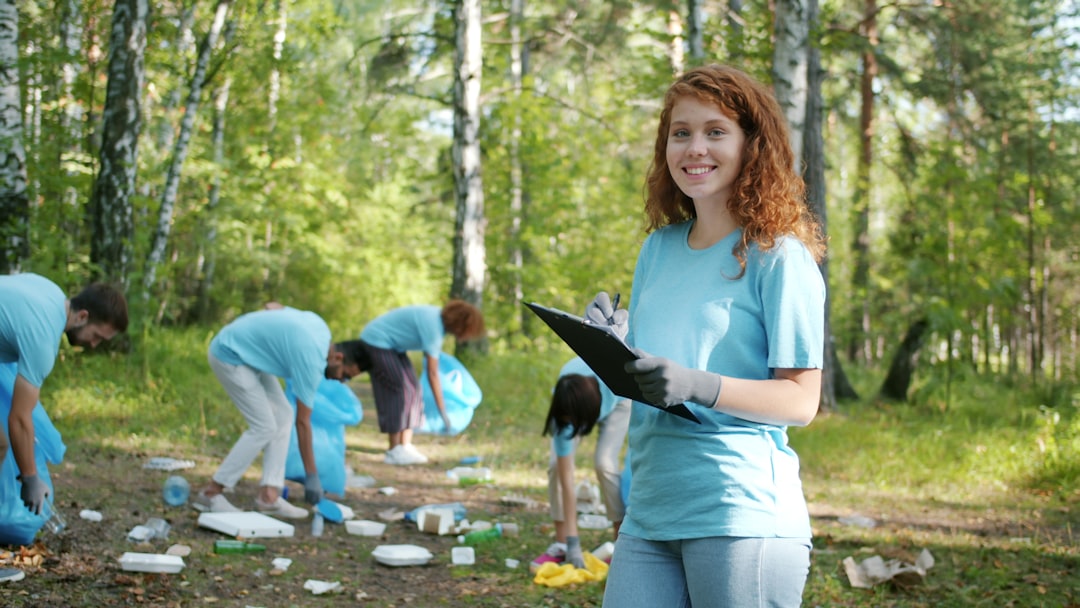

Citizen science allows members of the public to contribute observations to environmental research, from bird counts and species records to water-quality surveys and air-pollution monitoring. Its greatest strength is scale: large volunteer networks can collect information across places and periods that would be difficult for a small research team to cover alone.
Where citizen science adds value
Well-designed projects can help researchers identify changes in species distribution, seasonal timing and local environmental conditions. Long-running British recording schemes show how volunteer data can become scientifically valuable when methods are consistent and observations are checked.
Digital platforms have made participation easier, but an app does not automatically turn every observation into regulatory evidence. Data quality depends on training, sampling design, verification, location accuracy and a clear understanding of what the dataset can and cannot show.
Can citizen data influence policy?
Yes, but usually as one part of a wider evidence base. Local authorities, conservation organisations and researchers may use citizen-science records alongside professional surveys, statutory monitoring and environmental assessments. A cluster of public observations can help identify where closer investigation is needed; it does not by itself prove a legal breach or establish causation.
Good project design matters
- Use a clear recording method and explain what participants should measure.
- Record dates, locations and relevant conditions consistently.
- Build verification into the project where species identification or technical measurements are involved.
- Publish limitations as openly as findings.
- Make data accessible where privacy, conservation sensitivity and licensing allow.
Citizen science works best as a partnership between public participation and professional research. Its value lies not in bypassing scientific standards, but in extending the reach of evidence while keeping those standards intact.
Sources
UK Centre for Ecology & Hydrology resources on biological recording and citizen science; UK environmental monitoring programmes and national recording schemes.