
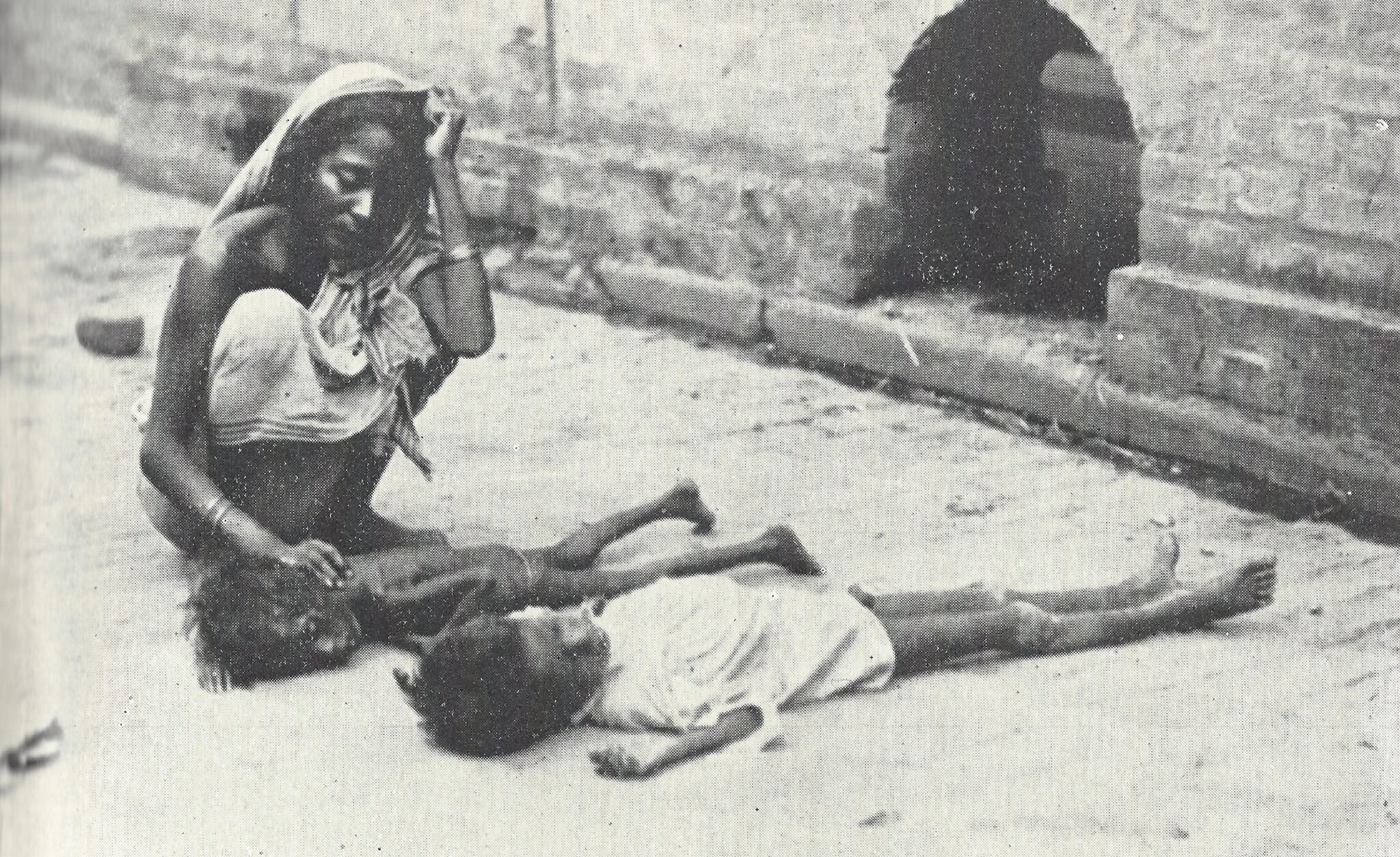

Artist Helen Cammock’s withdrawal of a work from the National Portrait Gallery became part of a wider dispute over how museums present contested history. The controversy centred on wording in the installation referring to Winston Churchill and the 1943 Bengal famine.
From artwork to public controversy
The dispute quickly moved beyond the work itself. Critics challenged the historical framing, while supporters emphasised the importance of examining imperial power and political responsibility. Once the argument became a national media story, the relationship between artist, institution and audience became part of the subject.
Why context matters
The Bengal famine has a large and contested historiography. Historians debate the relative weight of wartime disruption, colonial policy, food distribution, inflation, crop conditions and decisions made by British authorities. A museum work can take a position, but a public institution also has to consider how factual claims are contextualised and supported.
That tension is not unusual in contemporary art. Museums routinely show work that interprets history rather than merely illustrating a settled account. The challenge is to distinguish artistic argument from statements presented as uncontested fact.
Withdrawal as part of the story
Cammock’s decision to remove the work should not automatically be read as an admission that one side of the historical dispute was correct. It is better understood as part of the relationship between an artist and the conditions under which a work is shown.
The episode leaves a broader question for cultural institutions: how can they preserve room for difficult interpretations while giving audiences enough context to understand why those interpretations are disputed?