

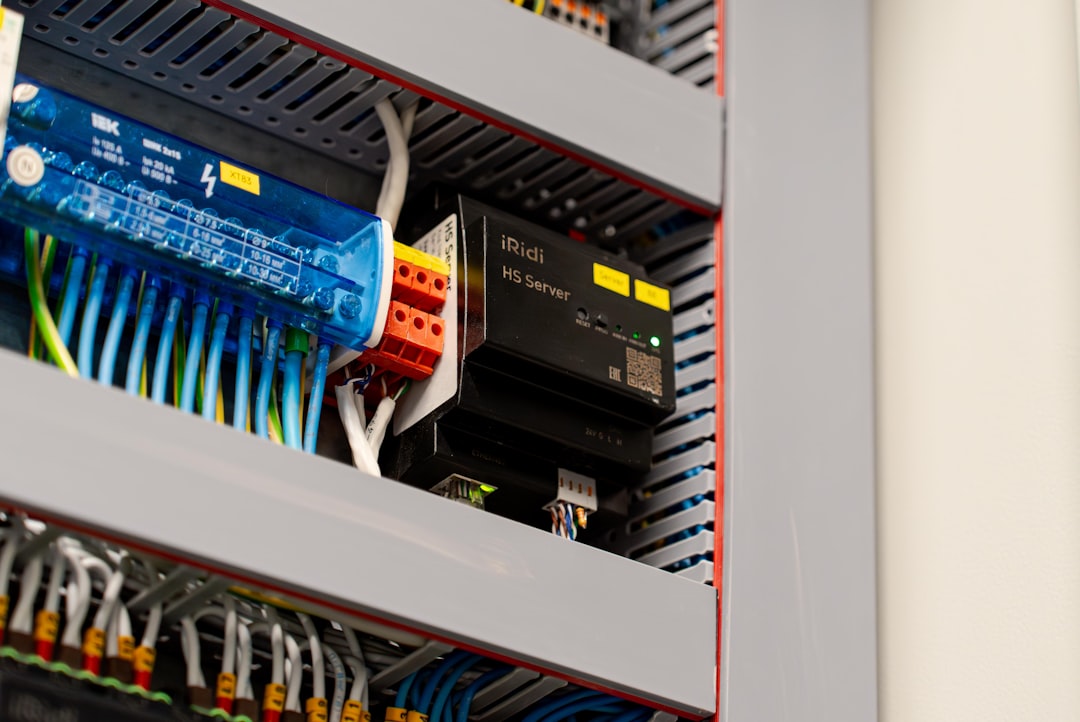

Smart microgrids combine local generation, battery storage, sensors and control software so a defined area can balance electricity supply and demand more intelligently. In some designs, a microgrid can disconnect from the wider network during a disturbance and continue serving selected critical loads.
What the control system actually does
An energy-management system can monitor generation, demand, storage state and network conditions, then decide when to charge batteries, discharge them or reduce non-essential loads. The exact architecture depends on the size of the network, the connected equipment and local regulatory requirements.
Standards such as IEC 61850 and protocols used in utility control systems can help equipment from different suppliers exchange data. But automation does not remove the need for protection engineering, cybersecurity, maintenance and human oversight.
Where the earlier article went too far
The previous version included unsupported claims that automated microgrids improve reliability by 40%, that AI prevents 15% of energy “leaks” and that one fixed transformer threshold should be applied universally. Those figures and prescriptive engineering instructions have been removed. Protection settings must be designed for the actual network by qualified engineers.
What towns should evaluate
- Which loads are genuinely critical during an outage.
- How local generation and storage behave under different demand conditions.
- Whether island operation is technically and legally appropriate.
- Cybersecurity and communications resilience.
- Battery cycling, maintenance and lifecycle cost.
- How the microgrid reconnects safely to the wider network.
Microgrids can improve resilience and make better use of distributed energy, but they are infrastructure projects rather than plug-and-play software products. Their value depends on careful design, testing and operation.