

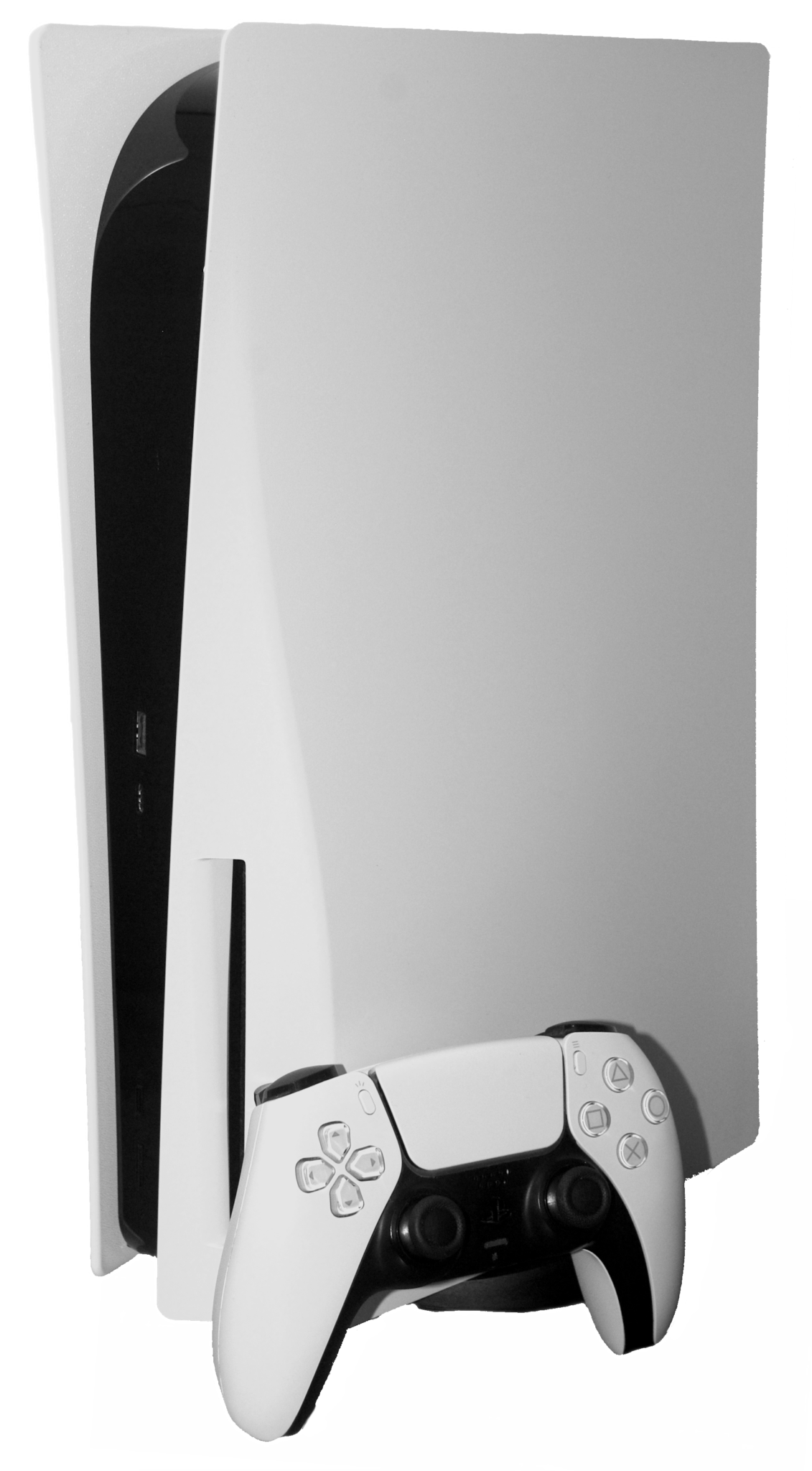

Sony Interactive Entertainment has confirmed that physical disc production for new PlayStation games will end in January 2028.
From that point, new releases will be sold digitally through PlayStation Store and through retailers in digital formats. Games released on disc before January 2028 will not be affected by the change and existing physical copies will continue to work on compatible consoles.
What changes for players
The shift removes physical ownership from future new releases. That matters for collectors, second-hand buyers, game lending and independent retailers that have traditionally relied on boxed software.
Digital distribution can reduce manufacturing and logistics costs, but it also changes the practical rights available to customers. A physical disc can usually be resold, lent or preserved independently of a digital storefront. A digital licence depends more heavily on platform accounts and service availability.
What changes for retailers
Sony says retailers will still be able to sell new games in digital formats, but that is not the same business model as stocking physical discs. Shops that rely on trade-ins and pre-owned games may be affected more significantly than large general retailers.
Why this article has been updated
The earlier version treated the change as a report or rumour. Sony has now announced the policy directly, so the article has been updated to reflect the confirmed January 2028 date and to separate confirmed facts from broader discussion about digital ownership.