

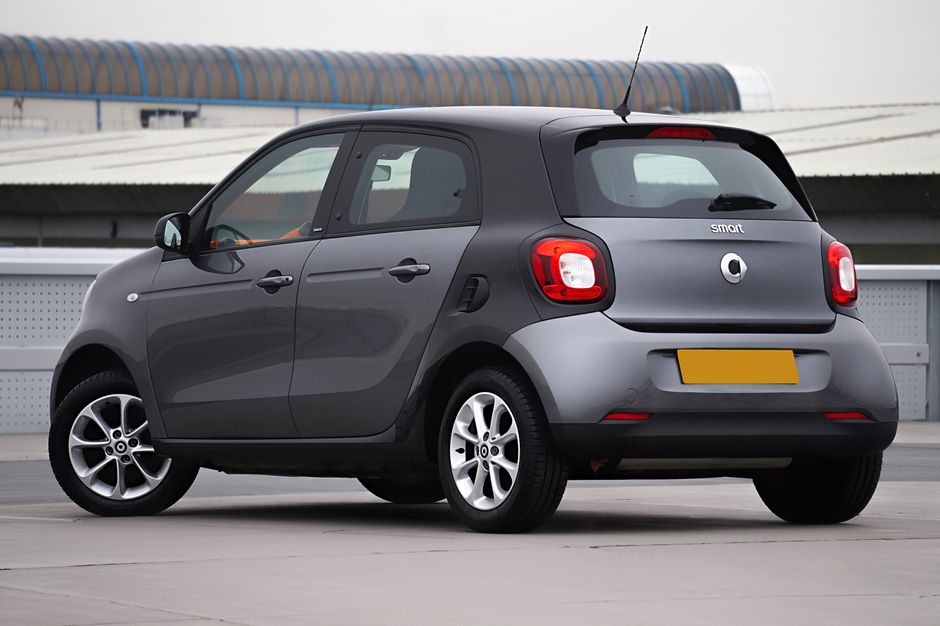

At higher road speeds, a car has to work harder against aerodynamic drag. That is one reason fuel consumption often rises quickly once motorway speeds increase.
The physics is simple
Aerodynamic drag grows rapidly with speed, so maintaining a slightly lower cruising speed can reduce the power the engine needs to overcome the air. The exact saving varies by vehicle, weather, road gradient, load and driving style, so there is no single percentage that applies to every journey.
Consistency matters too
Repeated hard acceleration and braking wastes energy. On suitable roads, smooth acceleration, anticipating traffic and avoiding unnecessary speed changes can improve fuel economy while also reducing wear.
Other practical factors
- Keep tyres at the manufacturer’s recommended pressure.
- Remove unnecessary heavy loads or roof boxes when they are not needed.
- Use the highest appropriate gear without labouring the engine.
- Plan journeys to reduce congestion where practical.
- Always prioritise the speed limit and road conditions over fuel-saving targets.
The original headline used the American term “gas”. For a British audience, “fuel” or “petrol” is clearer. The broader point remains valid: speed has a real physical cost, and a smoother, slightly slower journey can often use less fuel.