

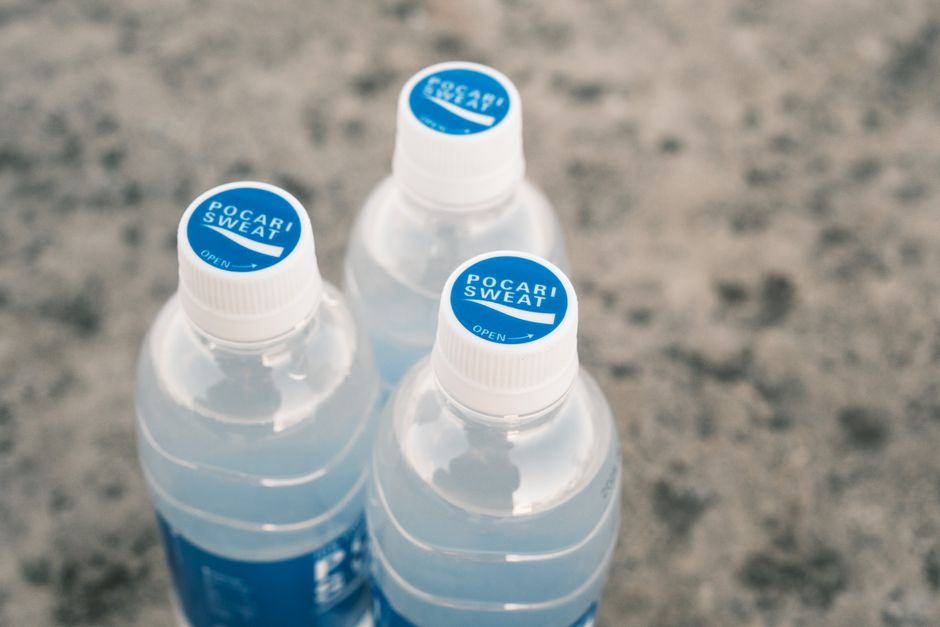

Electrolyte powders and sports drinks are heavily marketed for everyday hydration, but most people do not need a special drink simply to get through an ordinary day. Water, regular meals and normal dietary sources of sodium, potassium and other minerals are usually enough.
What electrolytes do
Electrolytes are minerals that carry an electrical charge in body fluids. Sodium and potassium, among others, help with fluid balance, nerve signalling and muscle function. The body regulates their concentration through the kidneys, hormones, thirst and normal food and fluid intake.
When water is usually enough
For routine desk work, light activity and ordinary day-to-day hydration, plain water is generally an appropriate choice. Electrolytes also come from food, so hydration does not need to be treated as a separate supplement programme.
When replacement may be useful
Extra electrolyte replacement can be useful when fluid and salt losses are substantial — for example during prolonged or intense exercise, heavy sweating in hot conditions, or some illnesses involving significant vomiting or diarrhoea. The right approach depends on the situation and the person.
More is not automatically better
Electrolyte products vary widely in sodium, sugar and other ingredients. Taking large amounts without a clear need does not improve hydration indefinitely and may be inappropriate for people with certain kidney, heart or blood-pressure conditions. Anyone with a medical condition affecting fluid or electrolyte balance should follow individual clinical advice rather than generic sports-drink guidance.
A simple rule
For most normal days, drink according to thirst and regular habits, eat a varied diet and use water as the default. Treat electrolyte products as a tool for particular circumstances rather than a requirement for basic wellness.
Sources
NHS guidance on hydration and heat-related illness; standard clinical guidance on fluid and electrolyte replacement.