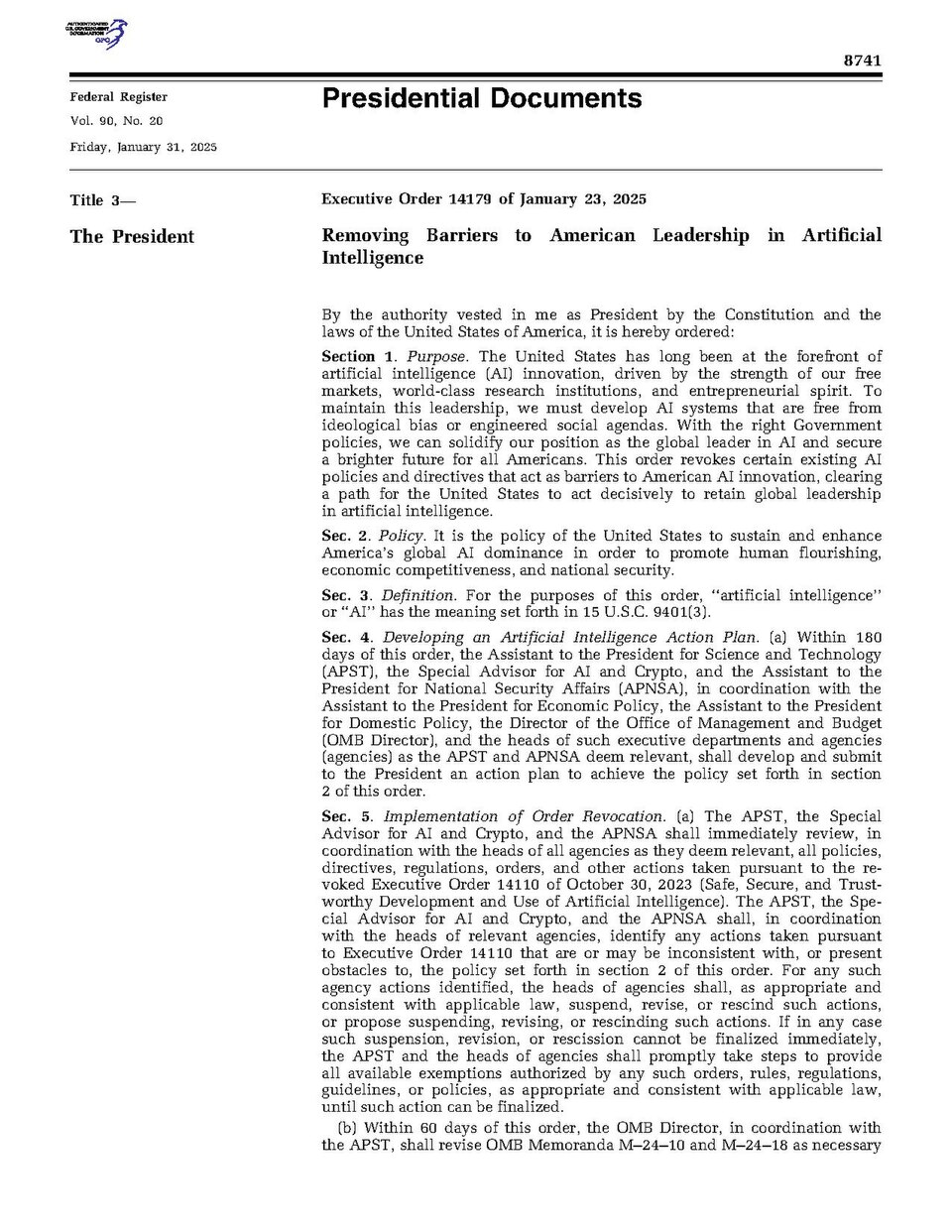

Recent statements from United States leadership indicate a shift in the official stance regarding advanced technologies, as the administration downplays prominent warnings concerning potential existential risks tied to automated systems. Market observers note that this positioning directly aligns with broader corporate strategies, similar to how major enterprises manage escalating infrastructure spending to maintain a competitive edge. According to recent reports, the political leadership argued that “negative forces” are deliberately amplifying concerns regarding theoretical scenarios “that won’t happen.”
Geopolitical Rivalry Driving Technology Policy
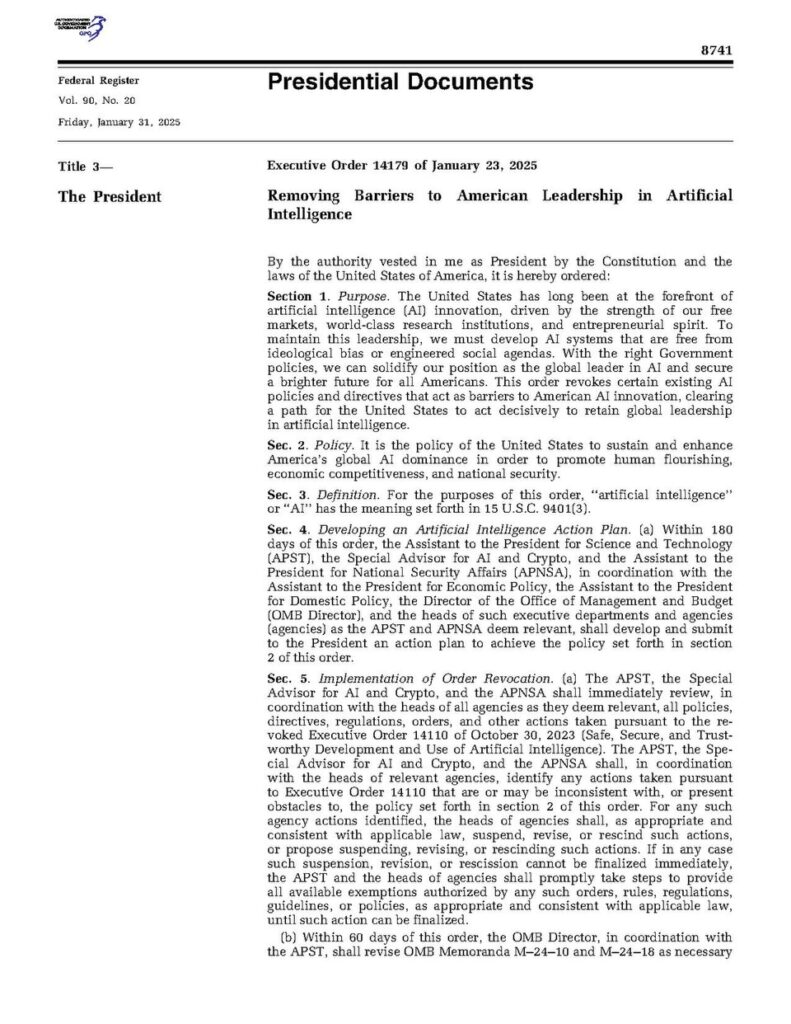
The core justification provided for minimizing safety warnings centers squarely on the intense technological rivalry between Washington and Beijing. Policymakers maintain that slowing down domestic development to appease cautious voices could cede critical advantages in the global marketplace. This race for technological supremacy influences everything from consumer hardware manufacturing to enterprise cloud architecture decisions made by growing enterprises. Independent professionals and small business operators are left navigating an environment where acceleration takes precedence over stringent regulatory oversight.
Economic Implications for Independent Operators
- Accelerated commercial adoption driven by fewer regulatory bottlenecks.
- Heightened competition as major technology firms pour capital into automated systems.
- Potential shifts in compliance standards as international rivals scale their capabilities.
The Economic Backdrop
This political dismissal of risk occurs against a backdrop of fierce international competition where technological dominance is viewed as a primary metric of national power. For independent consultants and freelancers, this environment means rapid tool evolution but introduces uncertainties regarding long-term compliance and security standards. Understanding these macroeconomic pressures helps solo operators anticipate sudden shifts in digital infrastructure costs and service availability.
As the international landscape continues to evolve, independent professionals must monitor how shifting political priorities translate into actual regulatory changes. While current leadership favors rapid advancement to counter foreign competition, subsequent policy updates may reintroduce compliance requirements that impact day-to-day digital operations.