


Keeping a home cooler during hot weather is mostly about preventing heat from entering during the day and releasing it when outdoor temperatures fall. In many UK homes, simple changes to shading and ventilation can make a meaningful difference.
Keep heat out during the day
Close curtains or blinds on windows receiving direct sun. External shading is usually more effective than internal shading because it stops some solar heat before it reaches the glass, although renters may have limited options.
When outdoor air is hotter than indoor air, leaving every window open can make the room warmer rather than cooler.
Ventilate when outside temperatures fall
NHS guidance recommends opening windows at night when the outside temperature has dropped. Cross-ventilation can help if there is a safe route for air to move through the home.
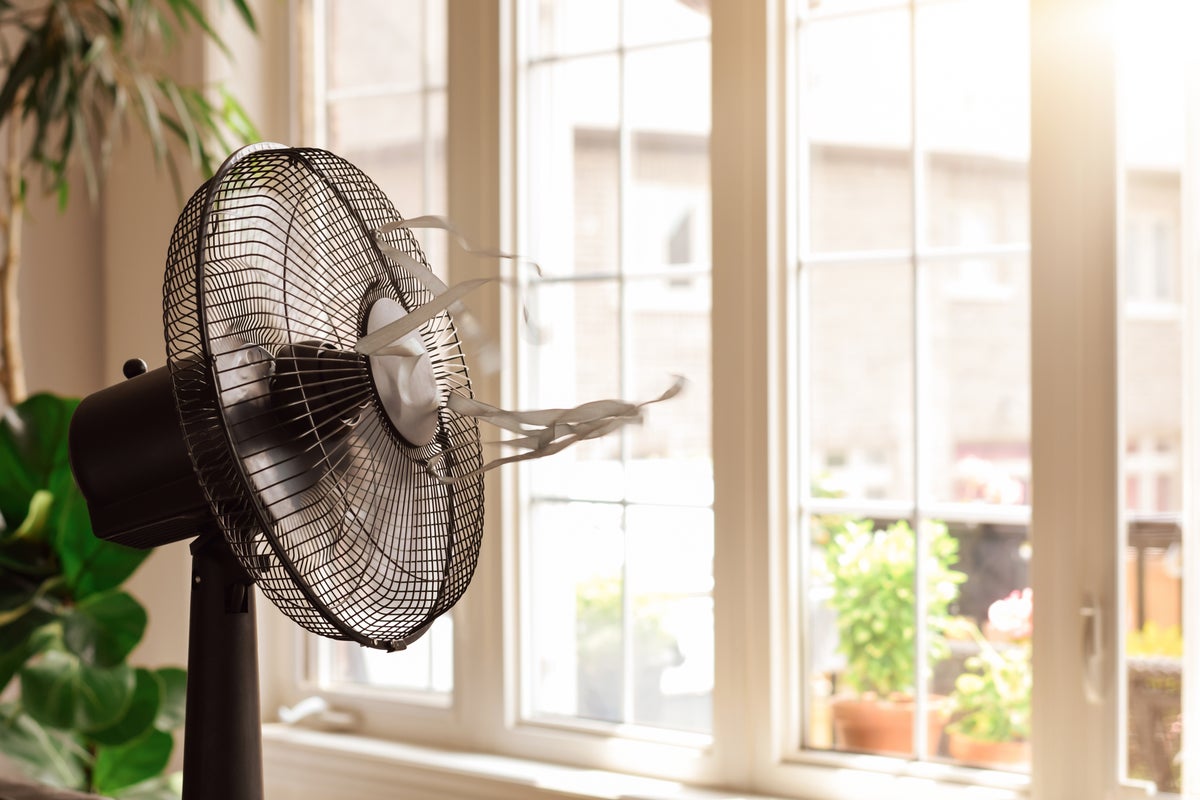
Electric fans can improve comfort in many conditions, although the NHS notes that they are less useful when indoor temperatures become very high.
Reduce internal heat
Computers, ovens, tumble dryers and other appliances add heat to a room. Turning off unnecessary equipment and avoiding heat-producing cooking at the hottest time of day can help.
Do not turn cooling into a moral argument
Air conditioning uses electricity and can be costly, but there are situations where mechanical cooling is important for health and safety. Older people, babies, people with certain health conditions and people in very hot homes may be at greater risk during extreme heat.
The aim should be to use passive measures where they are practical and adequate, not to shame households that need additional cooling.
Watch for heat illness
Indoor comfort is not the only issue. Anyone developing symptoms of heat exhaustion should cool down and rehydrate. Confusion, collapse or persistent severe symptoms can indicate heatstroke and require urgent medical attention.
Source: NHS, “Heatwave: how to cope in hot weather”, reviewed June 2026.