Parish council archive systems form the quiet backbone of local governance, recording the daily decisions, planning observations, and financial ledgers that shape rural and urban communities across England. Far from being a uniform nationwide database, each local council maintains its own administrative paper trail and digital folders under statutory obligations that balance transparency with data protection. Understanding how these documents flow from initial council meeting minutes into permanent county archives requires looking closely at both routine clerk duties and long-term preservation standards. These foundational procedures ensure that local democracy remains accountable while safeguarding the fragile material history of villages and market towns for future generations. Behind every formal council meeting lies a complex network of retention schedules, public access rules, and cooperative agreements with regional record offices.
What Is parish council archive systems?
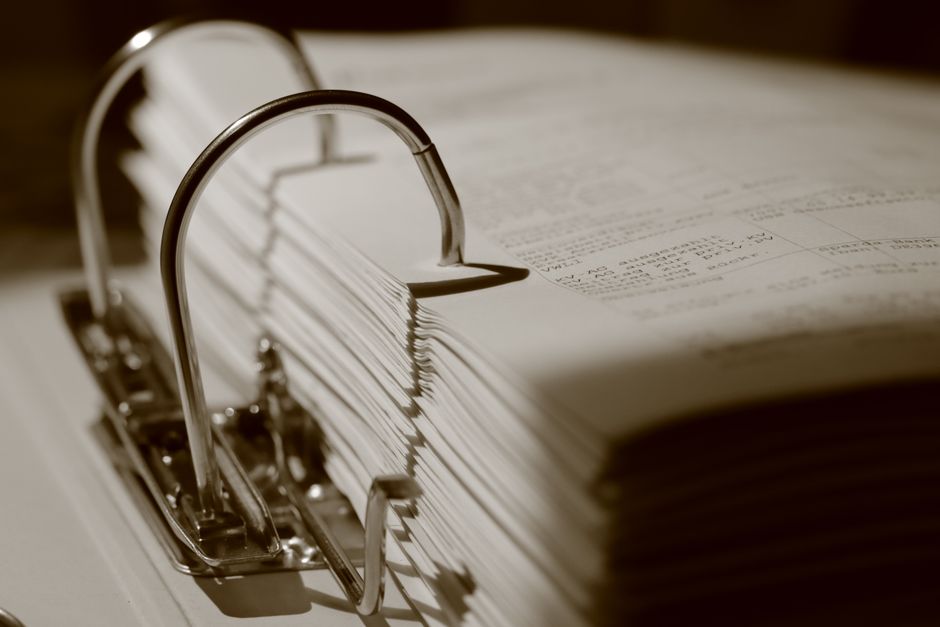
Parish council archive systems refer to the structured methods, retention schedules, and physical or digital repositories utilized by local parish and town councils to manage their administrative records and historical documents. Rather than operating as a single centralized government portal, these systems consist of decentralized collections managed independently by individual clerks and local authorities. They encompass everything from current financial spreadsheets and planning consultation responses to centuries-old parish maps and vestry minutes.
Operating at the most hyper-local tier of English government, parish councils handle a vast array of documentation that requires careful sorting from the moment of creation. Clerks must distinguish between ephemeral working papers that can be safely discarded after a short period and vital corporate documents that demand permanent preservation. Guidance published by the National Association of Local Councils helps clerks navigate these day-to-day administrative burdens by outlining standard management practices (NALC, 2023). Because these councils range from tiny hamlet meetings with minimal budgets to large town councils managing substantial community assets, their record-keeping setups vary widely in scale and technological sophistication.
The distinction between active administrative records and historical archives is crucial for understanding how these local bodies operate. Administrative records are those currently in use for ongoing business, legal compliance, or financial audits, governed strictly by statutory retention periods. Once these administrative utility phases expire, a subset of these files transitions into permanent historical archives worthy of long-term curation. According to insights from The National Archives, managing this transition effectively prevents municipal storage rooms from overflowing while ensuring that culturally significant material is not accidentally destroyed (TNA, 2022). Maintaining this boundary protects the operational efficiency of the council while respecting the heritage value embedded within older council papers.
The Administrative Framework and Retention Schedules
The daily management of council paperwork is governed by strict legal frameworks designed to ensure transparency, financial probity, and civic accountability. Parish clerks do not simply store files at random; they rely on established retention schedules that dictate how long specific types of documents must be kept before secure disposal or archiving. For instance, routine correspondence and minor administrative notes often have a short shelf life, whereas signed minutes of council meetings and signed accounts are permanent records that must never be discarded. Compliance with these schedules is essential for meeting the requirements set out in official local council archives guidance and legislative transparency mandates.
Transparency and public access sit at the heart of parish governance, requiring councils to make certain documents readily available to residents upon request. Under the Freedom of Information Act and related local government transparency codes, citizens have a legal right to inspect council minutes, financial statements, and planning consultation notes. However, this openness must be carefully balanced against privacy rights and data protection laws. When personal data appears within council records, clerks must ensure compliance with regulations overseen by the Information Commissioner’s Office, particularly when handling sensitive resident inquiries or personnel files (ICO, 2021). Redacting personal information appropriately protects individual privacy while upholding the public’s right to scrutinize local decision-making.
Digitization has introduced new opportunities and challenges for parish councils seeking to modernize their document management. Many smaller authorities now store agendas, financial spreadsheets, and scanned historical documents in cloud environments or dedicated local council servers. While digital systems make searching through past resolutions significantly faster, they also demand robust backup protocols, cybersecurity measures, and long-term file format migration strategies. Without proper digital preservation planning, valuable electronic files risk becoming corrupted or unreadable as software standards evolve over time.
We spend hours every week making sure our meeting minutes are properly filed and indexed, because residents rely on those records to understand why local decisions were made. It is not just about ticking bureaucratic boxes; it is about keeping our village history intact for the people who live here.
Transfer Protocols and Long-Term Preservation
When administrative documents reach the end of their active retention life, parish councils often look toward formal deposit agreements with county record offices or accredited local archive services. This transfer process ensures that historic minute books, enclosure awards, and older parish council archive systems material are moved into temperature-controlled, secure environments specifically designed for archival conservation. Local authorities are legally encouraged to deposit records that are no longer required for administrative purposes rather than keeping them in damp village hall cupboards or private garages. Establishing these formal deposit relationships guarantees that professional archivists can clean, repair, and catalog fragile paper and parchment for researchers and historians.
Collaborating with county archives also opens up funding and expert support networks that individual parish councils could rarely access on their own. Through structured local heritage society networks, councils often partner with volunteer groups to transcribe older handwritten records, making them accessible via searchable online portals or local exhibition displays. These collaborative efforts bridge the gap between municipal record-keeping and community history, transforming dusty administrative ledgers into vibrant educational resources. Such partnerships demonstrate that parish archives are not static dead-ends of bureaucracy, but rather living repositories of local identity.
Ultimately, the health of parish record-keeping relies on the dedication of individual clerks, elected councillors, and supportive county institutions working in tandem. By adhering to established retention guidelines, respecting data protection principles, and engaging with professional archivists, local councils protect the integrity of grassroots democracy in England. As administrative practices continue to adapt to digital-first environments, maintaining clear policies will remain essential for balancing modern efficiency with historical stewardship. Every well-managed document adds another reliable thread to the rich tapestry of local civic life, ensuring that future generations can understand how their communities evolved.
References
Information Commissioner’s Office. 2021. Data Protection and Local Authorities Guidance. Wilmslow: ICO.
National Association of Local Councils. 2023. Good Councillor’s Guide to Record Management. London: NALC.
The National Archives. 2022. Standards for the Retention and Safe Keeping of Local Authority Records. Kew: TNA.