

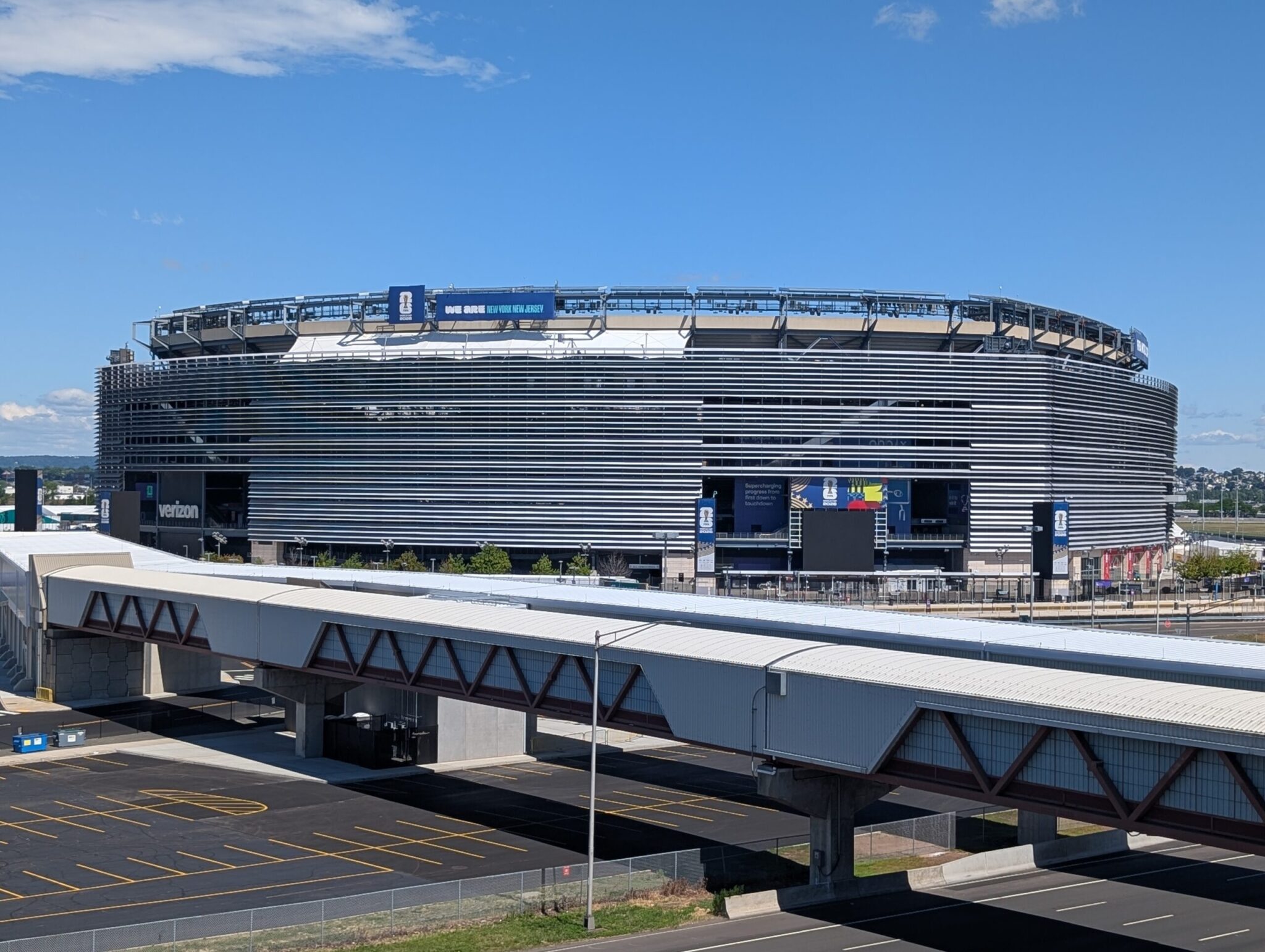

Climate change is becoming an operational problem for global sport. Extreme heat, wildfire smoke, changing rainfall patterns and pressure on water and energy systems can all affect how major tournaments are scheduled and managed.
For FIFA, the issue is not whether environmental risk exists, but how consistently climate adaptation, player welfare and event planning are integrated across tournaments held in very different regions.
Heat changes the way tournaments are run
Football already uses measures such as cooling breaks, altered kick-off times and medical protocols when heat reaches dangerous levels. The challenge is that heat risk is not captured by air temperature alone. Humidity, direct sun, recovery time and local acclimatisation also matter.
Large tournaments therefore need location-specific planning rather than one universal threshold. Venue design, shaded areas, hydration access, transport and emergency procedures all form part of the response.
Air quality can become a sporting issue too
Wildfire smoke and urban pollution can affect athletes, staff and spectators even when a stadium itself is not threatened. Event organisers increasingly need access to reliable local air-quality monitoring and clear criteria for postponement or relocation.
This is where environmental data becomes part of operational planning rather than a separate sustainability discussion. The same principle applies at community level: organisers need trustworthy measurements, not dramatic headlines or improvised judgement.
Mitigation and adaptation are different questions
Reducing the carbon footprint of tournaments is one challenge. Preparing for the physical effects of a warming climate is another. Travel, stadium construction and energy use belong to mitigation; heat, smoke, flooding and water stress belong to adaptation.
FIFA and other governing bodies will increasingly be judged on both. A credible climate approach should explain how emissions are being addressed while also showing how competitions will remain safe and workable as weather risks change.
The debate is therefore broader than whether one organisation has a single ‘climate plan’. The real test is whether environmental risk is built into venue selection, scheduling, medical protocols and long-term tournament planning.