

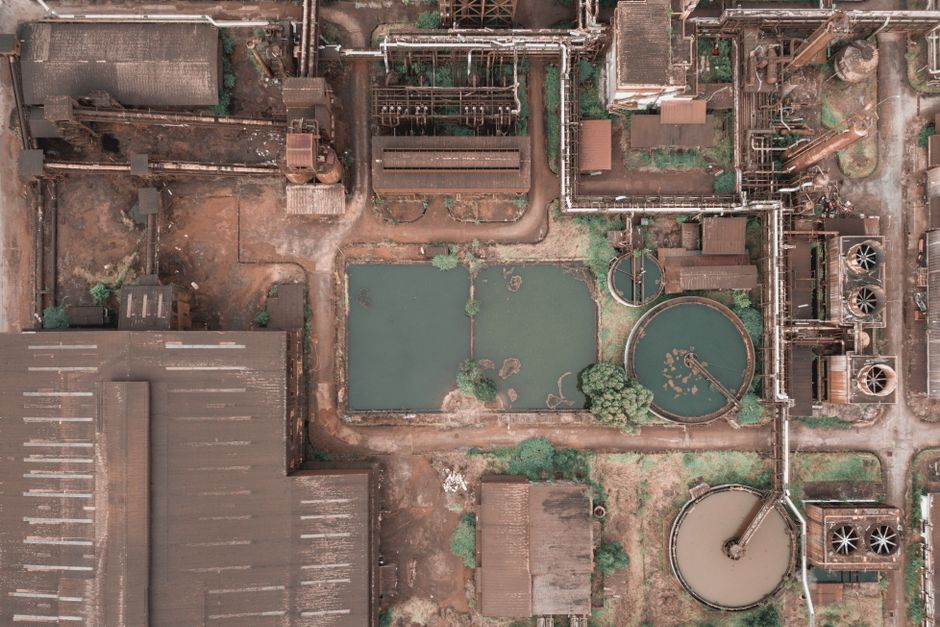

Concerns about persistent chemicals at former military and industrial sites have become a growing environmental issue in the UK. In Cherwell, local authorities have sought national support over contamination associated with a former RAF site, raising questions about monitoring, responsibility and long-term remediation.
What are PFAS?
PFAS are a large group of synthetic chemicals used in many products and industrial applications because of their resistance to heat, water and oil. Some PFAS persist for long periods in the environment, which is why they are often described as “forever chemicals”.
That phrase is useful shorthand, but PFAS are not one single substance with one identical level of risk. Different compounds behave differently and must be assessed through appropriate sampling and toxicological evidence.
Why former military sites attract attention
Firefighting foams historically used at airfields are one potential source of PFAS contamination. Where contamination is suspected, investigators may examine soil, surface water and groundwater to understand whether chemicals have moved beyond the original site.
Local councils cannot solve every part alone
Investigation and remediation can involve landowners, environmental regulators, public-health bodies and central government. Local authorities may have planning and environmental-health responsibilities, but highly technical contamination can require expertise and funding beyond a council’s ordinary capacity.
What should be avoided
Until testing establishes concentrations and exposure pathways, it is premature to claim that nearby residents face a specific health effect or that local water supplies are unsafe. Reporting should distinguish clearly between confirmed contamination, suspected migration and demonstrated exposure.
The wider policy challenge is therefore one of evidence and responsibility: identify what is present, determine who is responsible for the site, monitor potential pathways and decide what remediation is proportionate.