Blended vocational workshop platforms are transforming how practical skills, technical trades, and professional competencies are taught across modern educational landscapes. As an observer of community and trade education, I have watched instructional models shift to accommodate both digital flexibility and mandatory hands-on supervision. Tutors now face the challenge of bridging virtual theory with physical application without losing the rigour expected by industry standards. This delicate balancing act requires careful pedagogical planning, reliable tools, and a clear understanding of what can and cannot be taught through a screen. By combining digital resources with traditional workspace training, educators can create a comprehensive curriculum that serves learners effectively.
What Is Blended Vocational Workshop Platforms?
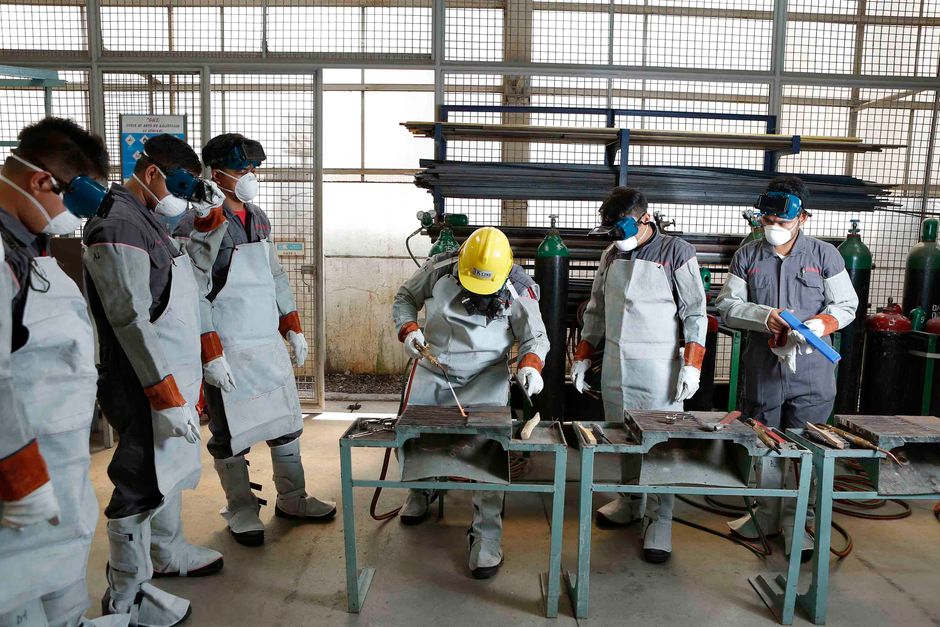
Blended vocational workshop platforms refer to integrated digital and physical environments that combine online instructional media, remote theory delivery, and supervised in-person practical training for trade subjects. These systems allow tutors to distribute video demonstrations, safety manuals, and theoretical modules online before students enter the physical workshop. When reviewing current skill development strategies, many educators align their delivery with modular workplace training frameworks to maintain structured progress. Consequently, classroom time transforms from passive listening into active, hands-on experimentation under expert supervision.
Designing Hybrid Curriculum Frameworks
Creating a successful blended learning structure begins with dividing the syllabus into distinct theoretical and practical components. Tutors must determine which lessons benefit from independent digital study and which require immediate, physical oversight in a workshop. For instance, electrical wiring schematics or automotive theory can be explored thoroughly through online portals and asynchronous teaching tools before learners ever pick up a tool. This preparation ensures that physical sessions are not wasted on basic theory reading, allowing students to maximize their time using heavy machinery or specialized equipment. Instructors should also establish clear benchmarks for online participation to ensure learners keep pace with the theoretical prerequisites before scheduling their physical workshop attendance.
When organizing these hybrid courses, educators must consider the diverse learning paces of adults entering trade professions. Some participants grasp technical diagrams quickly but struggle with manual dexterity, while others excel in physical workshops yet need extra support with written assessments. To address these variations, tutors often integrate specific support systems into their daily operations:
Digital Demonstrations: High-definition video recordings allow students to review complex mechanical procedures or woodworking cuts multiple times at their own convenience.
Supervised Practice: In-person workshop hours are strictly dedicated to hands-on fabrication, equipment calibration, and safety-compliant tool handling.
Formative Assessment: Continuous digital quizzes and instructor checklists track theoretical understanding before physical competencies are formally signed off.
Feedback Channels: Structured online forums and direct messaging help learners clarify safety doubts before attempting practical tasks on-site.
It is worth noting that certain physical competencies cannot and should not be assessed remotely. Safety-critical tasks, such as handling hazardous materials or operating high-pressure industrial machinery, demand direct, in-person observation by a certified professional. To support broader community educational initiatives, many institutions also reference guidelines similar to those found in how community learning networks support adult learners to ensure local accessibility. Maintaining this rigorous standard protects both the learner and the future employer from costly workplace errors.
Evaluating Practical Competency and Managing Progress
Assessing skill mastery in a blended vocational environment requires a combination of digital portfolio tracking and physical observation. Tutors can utilize online platforms to collect photo and video evidence of preparatory tasks, project planning stages, and theoretical reflections. However, the final verification of a practical skill must always occur in a controlled, physical workspace where the instructor can evaluate technique, posture, and safety compliance first-hand. This dual-layer evaluation model ensures that qualifications retain their integrity and that graduates are genuinely prepared for the demands of their chosen trade.
Practical training only works when you respect the limits of the screen; a video can show you how a weld should look, but only the workshop floor can teach your hands how to make it.
Ultimately, the successful implementation of blended vocational workshop platforms relies on the thoughtful integration of digital convenience and traditional craftsmanship. Tutors who respect the boundaries of remote teaching while maximizing the value of face-to-face workshop hours will continue to produce capable, confident professionals. By keeping expectations realistic and focusing on genuine skill acquisition, educators can build resilient pathways into modern trades. This balanced approach ensures that vocational education remains robust, accessible, and deeply rooted in real-world industry requirements.
References
Department for Education. (2023). Further education and skills guidance: Quality and curriculum delivery standards. London: Crown Publications.
Ofsted. (2022). Inspecting remote and blended learning in vocational and technical education. Manchester: Office for Standards in Education.