

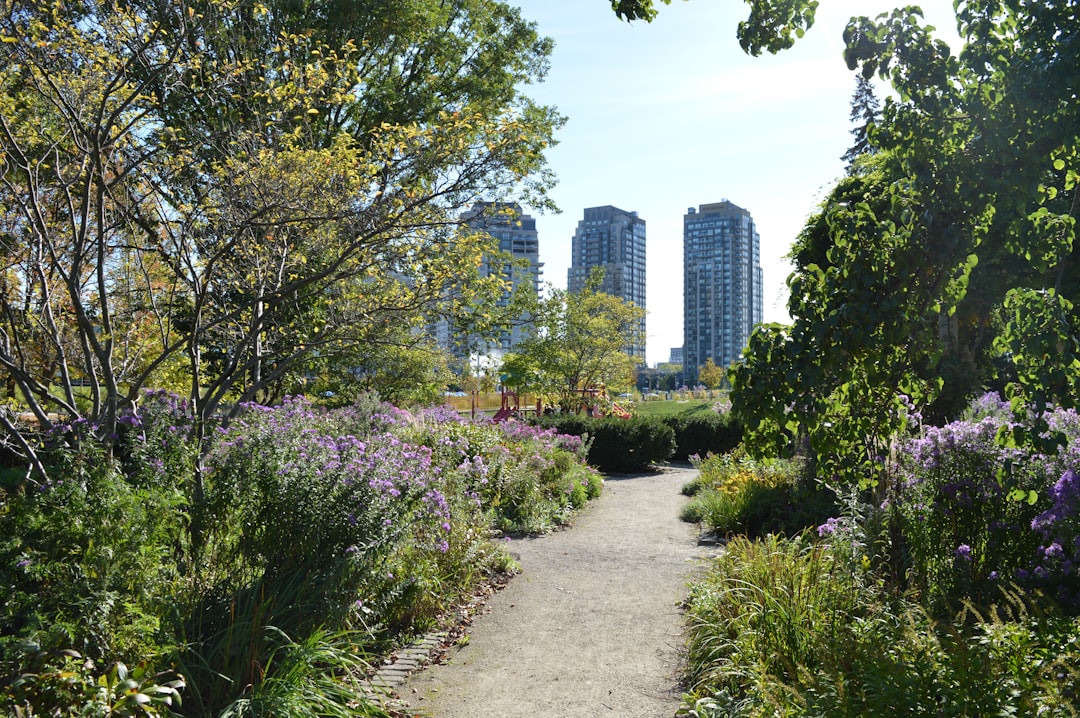

Community gardens can turn unused urban land into shared growing space, but there is no single UK-wide legal framework that automatically gives residents a right to occupy a vacant plot. The practical route depends on who owns the land, what the proposed use involves and the rules of the local authority.
Start with ownership and permission
Before a group invests in beds, sheds or irrigation, it needs to identify the landowner and obtain written permission. Council-owned sites may be offered through a licence, lease or community asset arrangement. Privately owned land requires a separate agreement with the owner.
Land Registry records can help identify ownership, but local authority estates teams and planning departments may also be relevant.
Planning, insurance and site safety
A garden itself may not always require planning permission, but permanent structures, changes of use, access works or larger buildings can. Groups should check locally rather than assume one rule applies everywhere.
Public liability insurance is commonly required by landowners or funders. Soil condition also matters, particularly on land with an industrial history. Testing may be appropriate before growing food directly in the ground.
Write down responsibilities
A workable agreement should cover maintenance, water, waste, opening hours, structures, responsibility for accidents and what happens if the land is needed for another purpose.
Internal governance matters too. A small committee, transparent finances and simple rules for plot allocation can prevent disputes later.
Community value without invented metrics
Community gardens can support social contact, local food growing, biodiversity and environmental education. Those benefits are well established qualitatively, but claims that gardens increase neighbourhood cohesion by a fixed percentage or reduce “environmental stress” by a standard amount require specific studies and should not be presented as universal facts.
The strongest projects are usually those with secure land arrangements, realistic maintenance plans and enough local participation to keep the site active after the launch enthusiasm fades.