Closed-loop hydroponic mechanics represent a sophisticated method of cultivating plants within tightly controlled urban environments without relying on traditional soil substrates. By recirculating water and essential mineral ions through a dedicated network of pipes, channels, and reservoirs, growers can maximize space efficiency while minimizing resource consumption. This structural reliance on continuous water movement requires precise engineering, rigorous monitoring, and diligent maintenance to prevent mechanical and biological failures. As municipalities look toward localized food production, understanding the fundamental physical interactions within these architectures becomes paramount for long-term operational success.
What Is Closed-Loop Hydroponic Mechanics?
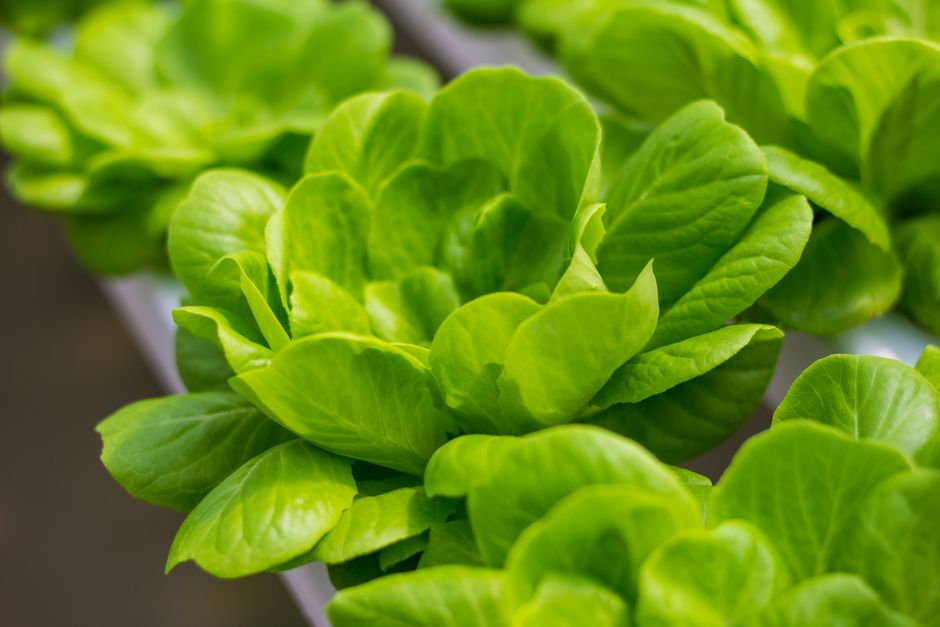
Closed-loop hydroponic mechanics refer to the engineering and fluid-dynamic principles that govern the continuous, recycled flow of water, oxygen, and dissolved nutrients through a soil-less plant cultivation system. This specialized framework captures, treats, and redistributes moisture to root systems in a continuous cycle, isolating the entire hydrological process from external soil variables. Controlled-environment agriculture research highlights that maintaining this circular flow reduces environmental runoff compared to open-field farming when managed under strict operational protocols (Smith et al., 2022). Urban agriculturalists utilize this approach to optimize indoor space utilization, turning vertical footprints into highly productive botanical hubs.
Operating a functional aquatic recirculation layout requires a clear understanding of fluid dynamics, pressure gradients, and biological responses. When designing these systems for compact urban spaces, every component from the primary water storage tank to the final drainage channel must be calculated for specific volumetric capacities. University extension material emphasizes that uniform distribution depends heavily on consistent pump sizing and balanced pipe diameters to prevent localized dry spots within the growing channels (Johnson and Davis, 2021). Without these foundational considerations, nutrient delivery becomes erratic, leading to stunted plant growth and localized mineral precipitation.
The journey of a nutrient solution begins deep within the primary reservoir container, which acts as the central heart of the installation. Submersible or external water pumps draw from this liquid store, forcing the solution upward through delivery lines toward the elevated growing beds or nutrient film technique channels. Equipment manufacturer documentation for named systems indicates that selecting magnetically driven pumps with appropriate head pressure ratings prevents premature mechanical wear and thermal transfer to the water column (HydroSystems Inc., 2023). As the fluid travels along the delivery network, automated valves and pressure regulators ensure that every section receives an uninterrupted, steady stream of moisture.
Once the fluid reaches the growing channels, gravity takes over to facilitate the return flow back to the main holding tank. Sloped channels guide the liquid gently past root zones, where plants absorb necessary nitrates, phosphates, and potassium ions. Relevant UK agricultural engineering sources note that maintaining a precise gravitational gradient prevents standing water accumulation, which acts as a primary breeding ground for anaerobic pathogens (AgriTech UK, 2022). As the solution trickles out of the growing troughs, it passes through physical filtration mesh to capture large root debris before plunging back into the reservoir below.
Maintaining chemical balance inside this continuous loop requires constant oversight and precise nutrient dosing procedures. As roots selective extract specific ions, the elemental profile of the remaining water shifts dramatically, altering both pH and electrical conductivity levels. Introducing fresh mineral concentrates must be done incrementally to avoid chemical shock or salt burn in the root zone. Automated dosing pumps linked to real-time sensor arrays help stabilize these parameters, reducing the risk of sudden nutrient lockouts that can devastate an urban harvest within hours.
Configuring the Hydraulic Circuit and Reservoir
Establishing a reliable fluid circuit starts with proper sizing of the main containment vessel and integration of mechanical aeration devices. The reservoir must hold enough volume to buffer minor chemical fluctuations while remaining compact enough to fit inside tight urban growing facilities. Dissolved oxygen levels inside this tank dictate root respiration efficiency, necessitating the inclusion of venturi injectors or fine-bubble airstones driven by dedicated diaphragm compressors. If oxygen concentration drops below critical thresholds, root tissues suffocate, paving the way for opportunistic fungal infections to take hold.
Filtration stages must be positioned strategically along the return path to catch particulate matter before it reaches the pump intake. Sediment screens, biological trickling filters, and sometimes ultraviolet sterilizers work in tandem to clarify the liquid column. Neglecting these filtration checkpoints leads directly to clogged emitters, fouled pump impellers, and compromised nutrient delivery uniformity. Furthermore, automated level sensors within the reservoir prevent dry-firing events that can burn out pump motors and disrupt the entire indoor ecosystem.
Analyzing Common Failure Points and Mitigation
Even the most meticulously designed installations remain vulnerable to specific mechanical and biological failure points that can halt production rapidly. Blocked filters, pump motor burnout, aggressive root intrusion, hidden pipe leaks, pathogen outbreaks, and sudden nutrient imbalances represent the primary hazards facing urban growers. Addressing these vulnerabilities requires systematic troubleshooting, regular physical inspections, and adherence to established safety protocols. Below is a structured breakdown of the most critical operational risks and their corresponding procedural responses.
- Inspect mechanical pumps and check valves weekly for mineral scale accumulation and acoustic anomalies indicating impending bearing failure.
- Clean and sterilize return-flow filters bi-weekly to prevent organic blockages from causing reservoir overflows or dry pump operation.
- Trim root systems regularly inside collection channels to prevent physical clogs in drain bulkheads and maintain unimpeded gravitational flow.
- Calibrate pH and electrical conductivity probes monthly against certified reference solutions to ensure accurate automated nutrient dosing.
- Monitor facility humidity and water temperatures continuously to suppress the proliferation of waterborne pathogens such as Pythium.
Technical Note: Never attempt to service electrical pump components or handle concentrated chemical adjusters without wearing appropriate personal protective equipment and ensuring the main power circuit is fully isolated.
Managing root intrusion requires vigilant monitoring, particularly in high-density growing channels where root masses expand rapidly. As roots tangle around drain ports, they restrict water exit velocity, causing localized pooling and oxygen starvation. Installing physical root barriers or utilizing copper-coated fittings can discourage root expansion into vulnerable drainage zones without harming the plant’s overall vitality. Additionally, maintaining optimal water temperatures helps keep root respiration stable and discourages the aggressive vegetative spreading that typically causes these mechanical blockages.
Pathogen management within a recirculating aquatic environment demands absolute adherence to hygiene and sanitation standards. Because a single infected plant can quickly transmit spores through the shared liquid matrix, early detection is critical for containment. Implementing routine ultraviolet sterilisation or slow sand filtration units along the main return line provides an effective biological barrier against microbial proliferation. Growers can also explore modern analytical tools such as those used for tracking biodiversity to monitor microbial health indicators in complex water systems.
Nutrient imbalance correction relies heavily on understanding baseline water chemistry and seasonal source water fluctuations. Tap water often contains variable mineral loads that interfere with precise fertiliser formulation, making reverse osmosis filtration a common preliminary step for urban agriculturalists. By starting with pure water, growers gain absolute control over every part-per-million introduced into the loop. Consistent logging of electrical conductivity and total dissolved solids ensures that mineral accumulation never reaches toxic thresholds that could otherwise compromise crop yields.
Balancing mechanical reliability with biological stewardship ensures that urban agricultural operations remain productive and resilient over the long term. By mastering the continuous interplay between pumps, reservoirs, filters, and root zones, growers can transform limited urban footprints into highly efficient food production systems. Diligent adherence to maintenance schedules and active monitoring of water parameters safeguard both the equipment and the harvest. Embrace these structural principles to optimize your indoor growing setup, and continue refining your mechanical layout for maximum operational safety and botanical yield.
References
AgriTech UK. 2022. Fluid dynamics and gravitational flow in modular indoor agriculture. London: British Agricultural Engineering Press.
HydroSystems Inc. 2023. Technical manual for commercial recirculation pumps and fluid management. Birmingham: HydroSystems Publications.
Johnson, M., and Davis, R. 2021. Nutrient distribution efficiency in controlled-environment hydroponics. Journal of Urban Agriculture and Engineering, 14(3), 112-128.
Smith, A., Taylor, B., and Clarke, H. 2022. Resource conservation metrics in closed-loop agricultural systems. Controlled-Environment Agriculture Research, 8(2), 45-60.