

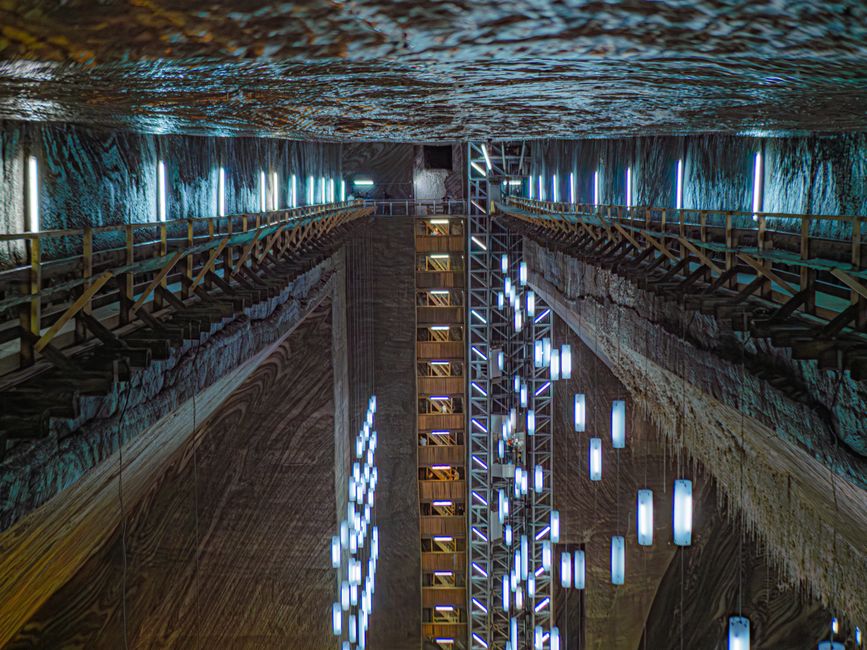

Hundreds of metres below ground in Armenia, a respiratory clinic operates inside a salt mine. Patients spend extended periods in underground chambers where the air is dry and the environment is largely free from common surface pollutants and allergens.
The setting is unusual enough to attract international attention, but the medical claims around salt-based respiratory therapy need careful handling. Salt therapy, often described as halotherapy or speleotherapy, is used in some countries as a complementary practice for people with respiratory symptoms. It should not be presented as a replacement for evidence-based asthma treatment, prescribed medication or medical supervision.
Why build a clinic inside a salt mine?
Supporters of underground treatment centres point to the stable temperature, low humidity and distinctive aerosol environment of salt chambers. The Armenian clinic has used the mine itself as part of the treatment setting rather than reproducing those conditions in an artificial room above ground.
What makes the facility particularly interesting from a British Works perspective is not a claim of a medical breakthrough, but the way existing industrial infrastructure has been adapted for a highly specialised public service.
A difficult model to maintain
Facilities of this kind are expensive to operate. Underground access, safety systems, staffing and maintenance all add to the cost of delivering a service that sits outside mainstream hospital infrastructure.
The clinic’s future has faced uncertainty after changes to state support. That raises a wider question familiar to many specialist institutions: what happens when a service has a committed user base but no longer fits comfortably within public funding priorities?
Separating atmosphere from evidence
The visual power of an underground salt clinic can make it tempting to overstate what the environment can achieve. Respiratory diseases such as asthma are complex medical conditions, and treatment decisions should be based on clinical evidence and individual advice.
For that reason, the clinic is best understood as an unusual example of adapted infrastructure and complementary care rather than proof that salt-mine treatment can cure or control asthma on its own.
Anyone with asthma or another respiratory condition should follow advice from an appropriate healthcare professional before changing treatment.