
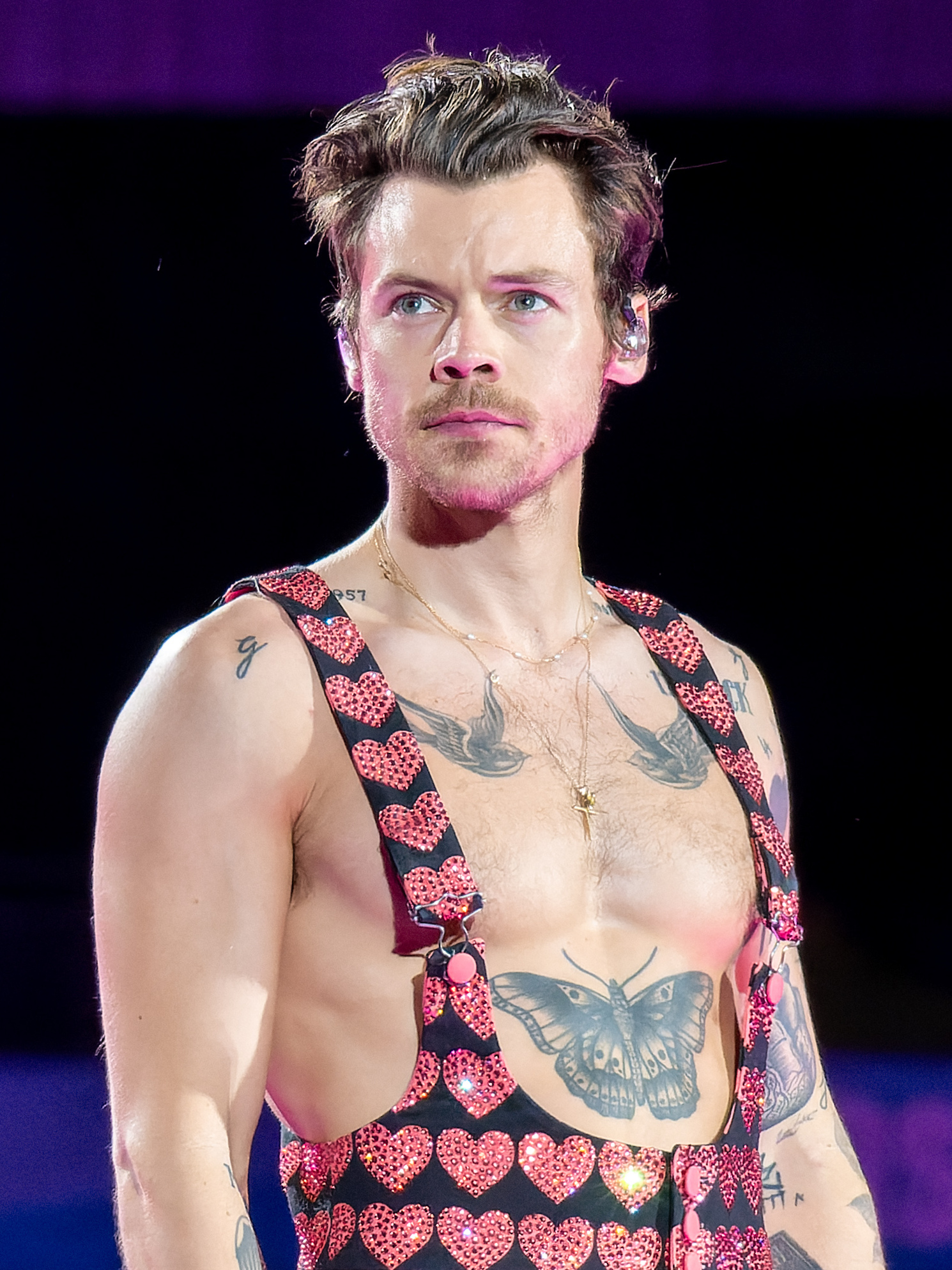

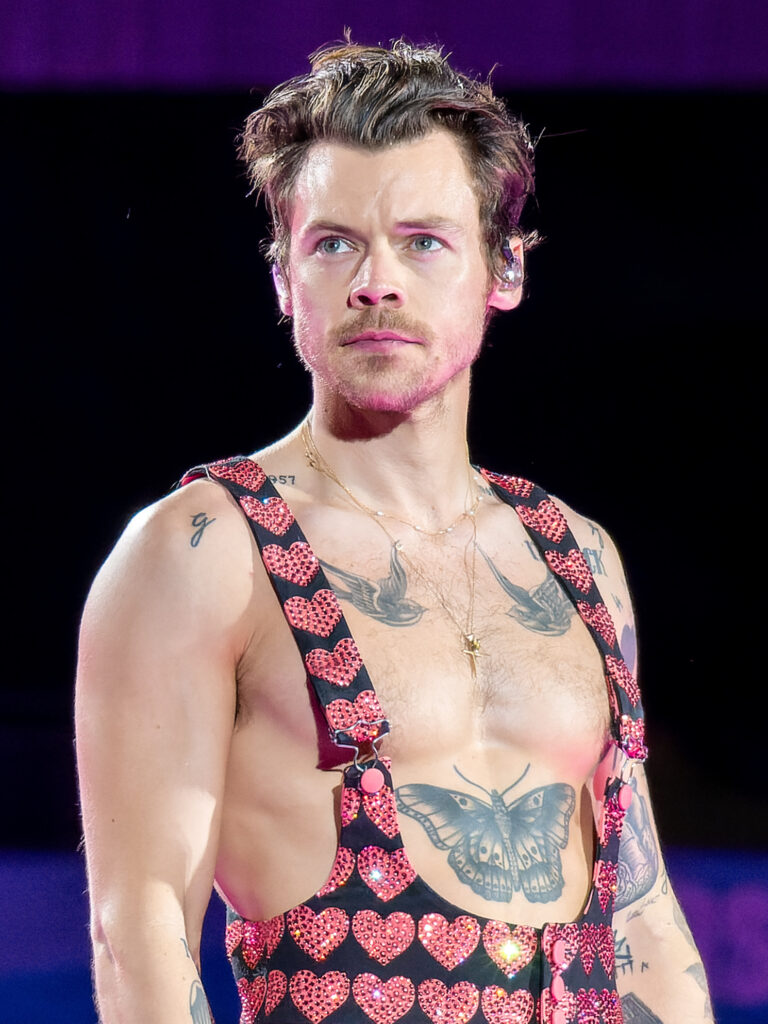
Harry Styles has been officially recognised by Guinness World Records for the longest run of shows at Wembley Stadium by an artist on a single tour. The “Watermelon Sugar” performer completed an unprecedented 12 concerts at the iconic London venue as part of his tour.
Reflecting on Modern Touring’s Grand Scale
This achievement marks a notable moment, not merely for the artist in question, but also for what it suggests about the current landscape of live music and audience engagement. While one might recall legendary acts filling these same hallowed grounds for significant engagements, completing a dozen dates on one tour signifies a considerable logistical and artistic undertaking.
The Logistical Feat of Extended Stadium Engagements
Such an extensive residency at a major venue like Wembley Stadium demands not only immense popularity but also a robust touring infrastructure. It requires meticulous planning, from ticketing and stage production to the artist’s own endurance. Long-term data from local high streets and hospitality sectors surrounding major venues often indicates a substantial economic impact from such events, a point that sometimes gets lost in the immediate fanfare. The sheer duration of the engagement suggests a strategic move to capitalise on sustained demand rather than relying on a single, high-impact performance.
Audience Demand and Artist Longevity
The ability to sell out Wembley 12 times over speaks to a particular connection an artist maintains with their audience. In an industry where trends can be fleeting, a sustained draw like this points to a deep level of fan loyalty and consistent appeal. Experienced practitioners often point out that maintaining such a profile requires more than just musical output; it often involves a sophisticated understanding of celebrity dynamics and public engagement.
While this record is a testament to Harry Styles’ current stature, it is perhaps more reflective of an artist at the peak of their global appeal than a universal shift in touring models. The economics and logistics involved in staging 12 stadium shows are prohibitive for most performers, suggesting this remains an exceptional feat rather than an emerging standard for the industry at large. Sustained runs of this magnitude are often limited by market saturation, venue availability, and the substantial costs associated with long-term stadium bookings.
Ultimately, this record serves as a marker of contemporary success in the live music sphere, prompting a quiet consideration of the forces that allow such extensive, high-profile engagements to flourish.