
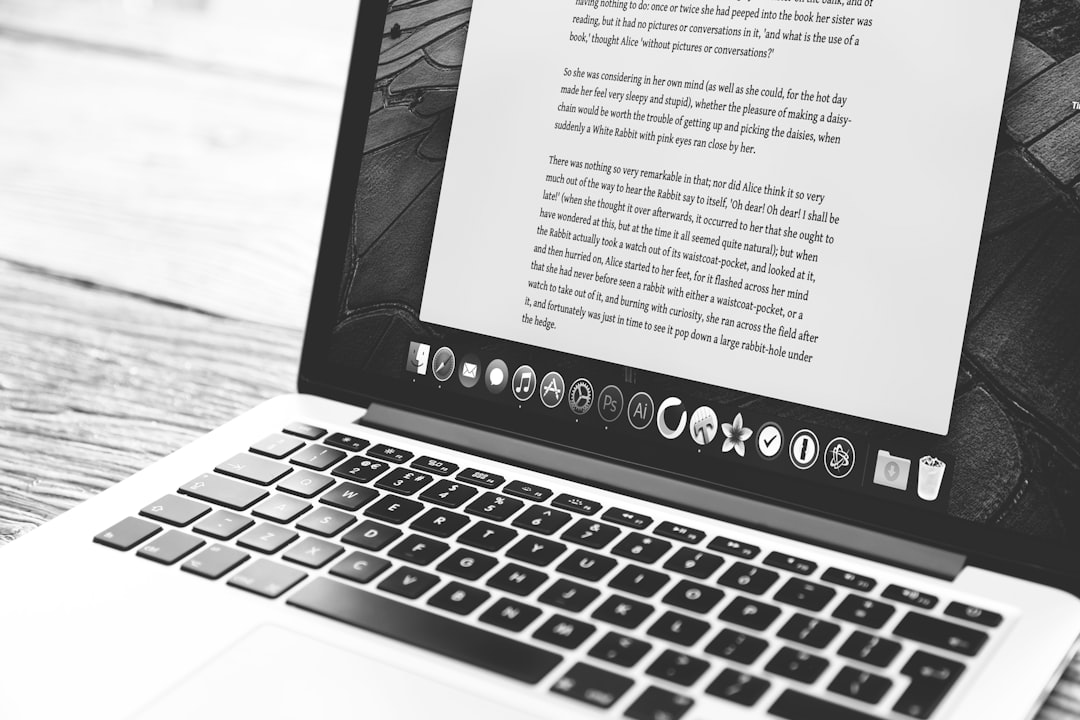

A freelance writing setup does not need to look impressive. It needs to make research, drafting, revision, client communication and invoicing easier to manage without scattering work across too many tools.
Start with the work, not the desk aesthetic
A reliable computer, comfortable chair, readable display and sensible lighting matter more than decorative productivity rituals. Some writers work best with one large monitor; others prefer a laptop and notebook. The useful question is whether the setup reduces friction during long periods of reading and editing.
Keep the digital workflow simple
Most independent writers need only a few core systems:
- a drafting application that exports clean, common file formats;
- a structured place for research notes and source links;
- cloud or local backups with version history;
- a calendar or task system for deadlines;
- folders for contracts, invoices and completed projects.
Adding more software can create as much friction as it removes. A tool earns its place when it solves a recurring problem rather than because it appears in a productivity video.
Separate client administration from drafting
Signed agreements, scopes of work, invoices and delivery records should be easy to retrieve. Keeping those files organised protects creative time because fewer hours are lost searching through old email threads.
Build a setup that can change
Different assignments create different needs. Interview-heavy work may benefit from transcription tools and a second screen. Long-form editing may require fewer notifications and more room for reference documents. There is no single “professional writer desk” that suits everyone.
The best setup is usually the one that becomes almost invisible: the files are where you expect them to be, backups happen automatically and the tools do not compete with the writing itself.