
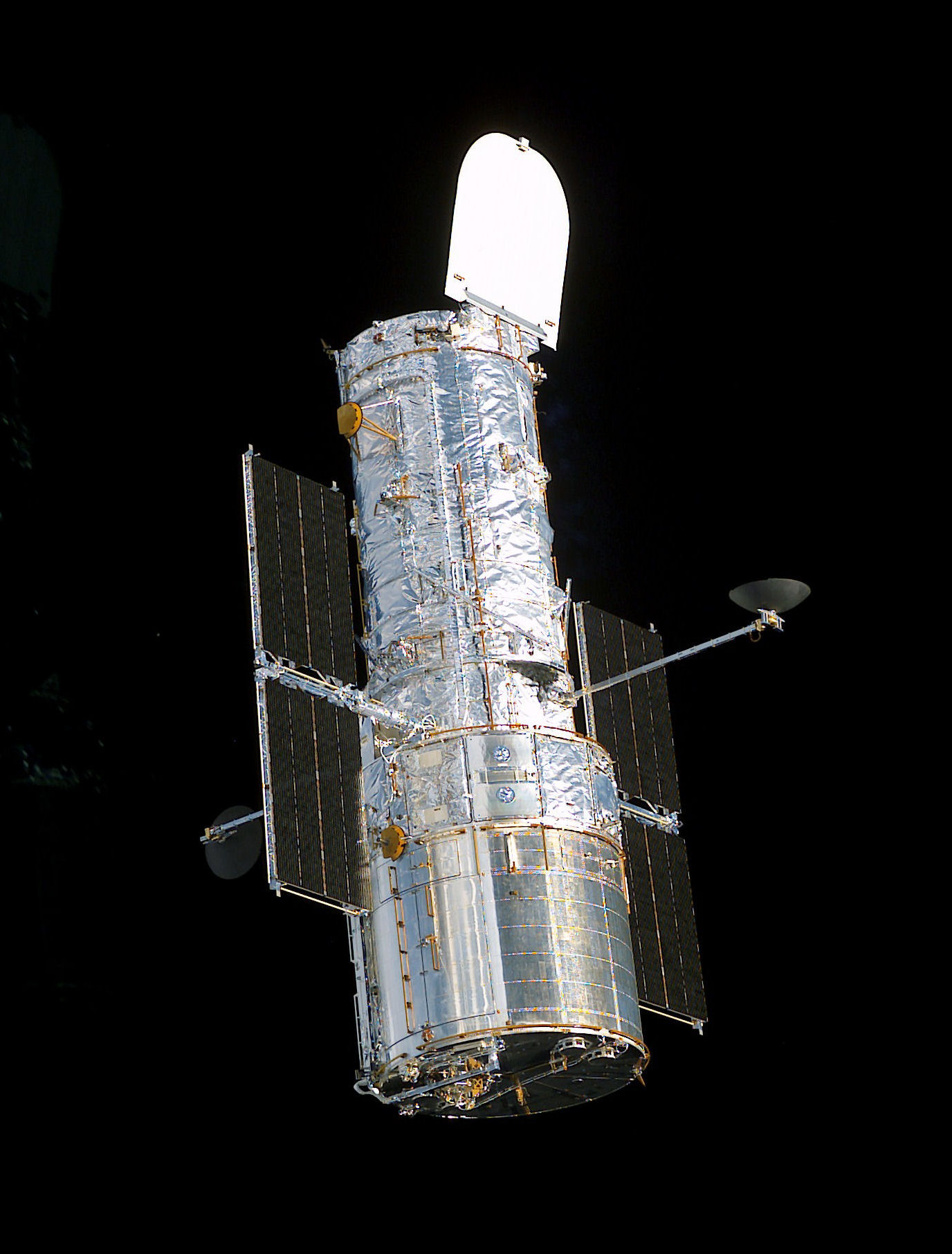

A first-of-its-kind robotic servicing mission launched on 3 July 2026 with the aim of raising the orbit of NASA’s Neil Gehrels Swift Observatory before atmospheric drag pulls it too low.
The LINK spacecraft, built by Katalyst Space Technologies and launched on a Northrop Grumman Pegasus XL rocket, is designed to rendezvous with Swift, grapple it and gradually boost the observatory to a higher altitude.
Why Swift needs a boost
Swift was launched in 2004 to study gamma-ray bursts and other energetic events in the universe. The observatory remains scientifically useful, but it does not have its own propulsion system. Its orbit has been slowly decaying as the upper atmosphere creates drag.
If the mission succeeds, it will mark the first commercial robotic mission to capture and service a NASA spacecraft that was not originally designed for in-space servicing.
What happens next
The original version of this article suggested that a repair robot was already approaching Swift and would dock within weeks. That was too definite. The mission involves commissioning, rendezvous, capture and a gradual orbit-raising process, all of which require careful testing.