

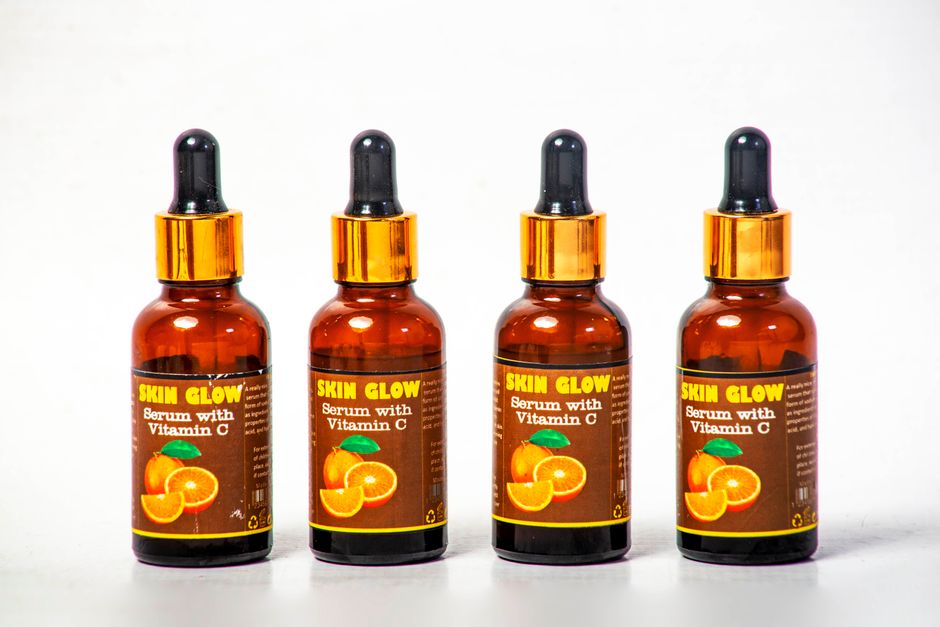

Vitamin C is widely used in skincare because it acts as an antioxidant, but it should not be described as a substitute for sunscreen. The distinction is important: sunscreen is designed to reduce the amount of ultraviolet radiation reaching the skin, while topical vitamin C is generally discussed as a supportive antioxidant ingredient.
What sunscreen does
Broad-spectrum sunscreen is a core part of sun protection because it helps protect against UVA and UVB radiation. It works best as part of a wider strategy that can also include shade, clothing and avoiding prolonged exposure during the strongest sun.
Where vitamin C fits
Topical vitamin C does not create an SPF barrier and should not be relied on to prevent sunburn. Research has explored its antioxidant role and its potential to reduce some oxidative stress associated with UV exposure, but product formulation, concentration and stability vary considerably.
That means claims such as “vitamin C boosts your sunscreen” should be treated cautiously unless they refer to a specific tested formulation.
A practical routine
People who already use a vitamin C serum may choose to apply it in the morning before moisturiser and sunscreen, following the product instructions. Anyone with sensitive skin may prefer to introduce it gradually because some formulations can irritate.
The most important point is simple: vitamin C can be an optional skincare ingredient; sunscreen remains the established protective measure.
This article provides general skincare information and is not a substitute for medical advice from a dermatologist or other qualified clinician.