

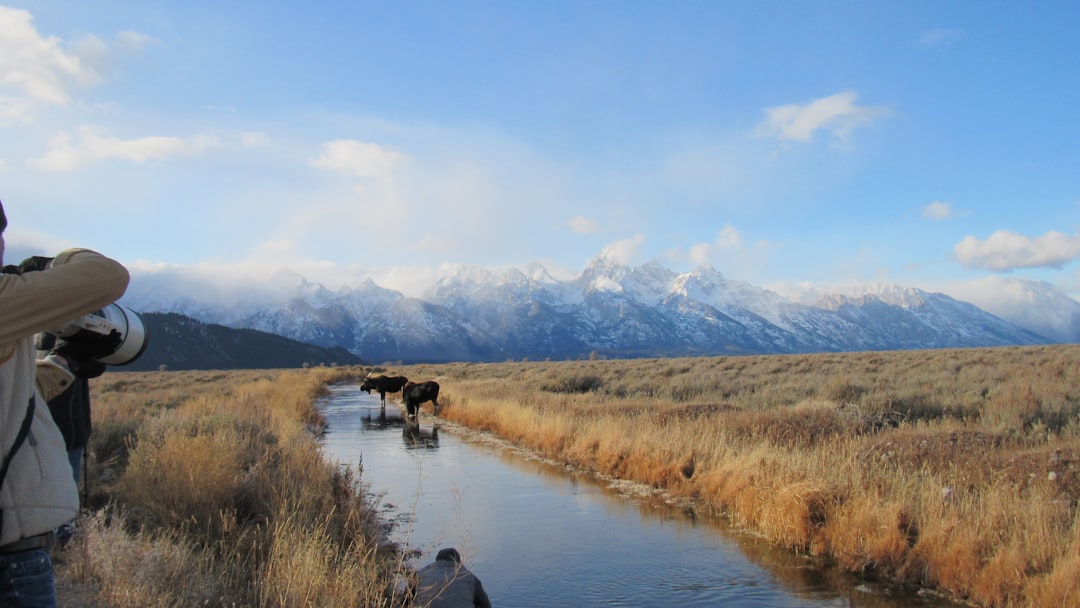

Wildlife tracking increasingly combines field surveys with digital tools such as GPS tags, acoustic sensors, camera traps and citizen-science platforms. These technologies can expand the amount of information available to researchers, but they do not automatically turn every observation into reliable conservation evidence.
Different tools answer different questions
GPS and radio tags can reveal movement patterns for selected animals. Camera traps help document presence and behaviour. Acoustic monitoring is particularly useful for species such as bats and birds. Public recording platforms can add thousands of observations across large areas.
Each method also has limits. Citizen records can be unevenly distributed, automated species identification can make mistakes, and tagged animals represent only a sample of a wider population.
How the data becomes useful
Regional conservation teams can combine records over time to identify habitat use, seasonal movement and areas where development may require closer ecological assessment. Professional verification and repeat surveys are especially important when decisions concern protected species or planning applications.
Community participation adds reach and local knowledge, but it should complement rather than replace systematic ecological surveys.
A better way to describe impact
Claims that wildlife apps have increased protected zones by a fixed percentage or operate “three times faster” than traditional science require a specific study and should not be stated as general facts. The more defensible value of tracking technology is that it can make observation more frequent, data sharing easier and long-term patterns more visible.
Used carefully, these tools help conservationists ask better questions about where animals are moving, which habitats matter and where further investigation is needed.